Choosing the right personal trainer is one of the most important decisions you can make on your fitness journey. The wrong choice can lead to poor results, wasted time and money, or even injury. The right coach, on the other hand, can transform not only your body but your relationship with exercise, your discipline, and your overall wellbeing. In Marrakech, the fitness sector has grown significantly over the past decade, and not all coaches offer the same level of quality, professionalism, or safety.
Why certification is the non-negotiable starting point
Before anything else, a personal trainer must hold recognized certifications. In Morocco and internationally, the most respected credentials come from organizations such as Les Mills, NASM (National Academy of Sports Medicine), ACE (American Council on Exercise), or BPJEPS for French-trained coaches. These certifications guarantee that the coach has studied anatomy, exercise physiology, nutrition basics, and safe training methodology.
An uncertified trainer may have personal fitness experience, but experience alone does not translate into the ability to coach others safely and effectively. They may not know how to modify exercises for someone with a back injury, how to structure progressive overload, or how to recognize signs of overtraining. Always ask a potential coach about their certifications and where they were obtained.
Hamza Fatil holds multiple certifications including Les Mills instructor credentials for BodyCombat, BodyPump, RPM, and other programs, built over more than 10 years of professional coaching in Marrakech.
Key criteria to check before signing up
Beyond certification, here are the essential questions to ask any personal trainer you are considering:
- Do they offer an initial assessment? A serious coach begins with a fitness evaluation — current fitness level, injury history, goals, lifestyle. There is no one-size-fits-all program.
- Can they show you references or client results? Real testimonials, before-and-after photos with consent, and reviews from existing clients are strong indicators of a coach's effectiveness.
- How do they handle injuries or limitations? A good coach knows when to refer you to a physiotherapist or doctor, and how to adapt your program if you have chronic pain or are recovering from an injury.
- What does their follow-up look like? Training sessions are just one part of the equation. Does the coach also advise on nutrition, recovery, sleep, and stress management?
- Are they punctual, professional, and fully present during sessions? A trainer who checks their phone during your session is not giving you the attention you are paying for.
Book your first session with Hamza
Hamza Fatil offers a free initial consultation to assess your goals, your current level, and build the right program for you. Reach out on WhatsApp to get started.
Chat on WhatsAppThe importance of consistent follow-up
One of the most underestimated aspects of personal training is what happens between sessions. A coach who sees you twice a week but provides no guidance for the other five days is missing a major part of their role. The best trainers offer some form of ongoing support: nutritional advice, guidance on active recovery days, mental coaching during plateaus, and accountability check-ins.
Progress in fitness is not linear. There will be weeks when motivation drops, when work gets busy, when results stall. A coach with a system for follow-up helps you navigate these moments without abandoning your goals. Ask any prospective trainer how they support clients between sessions and what happens if you need to cancel or reschedule.
Why Hamza Fatil stands out in Marrakech
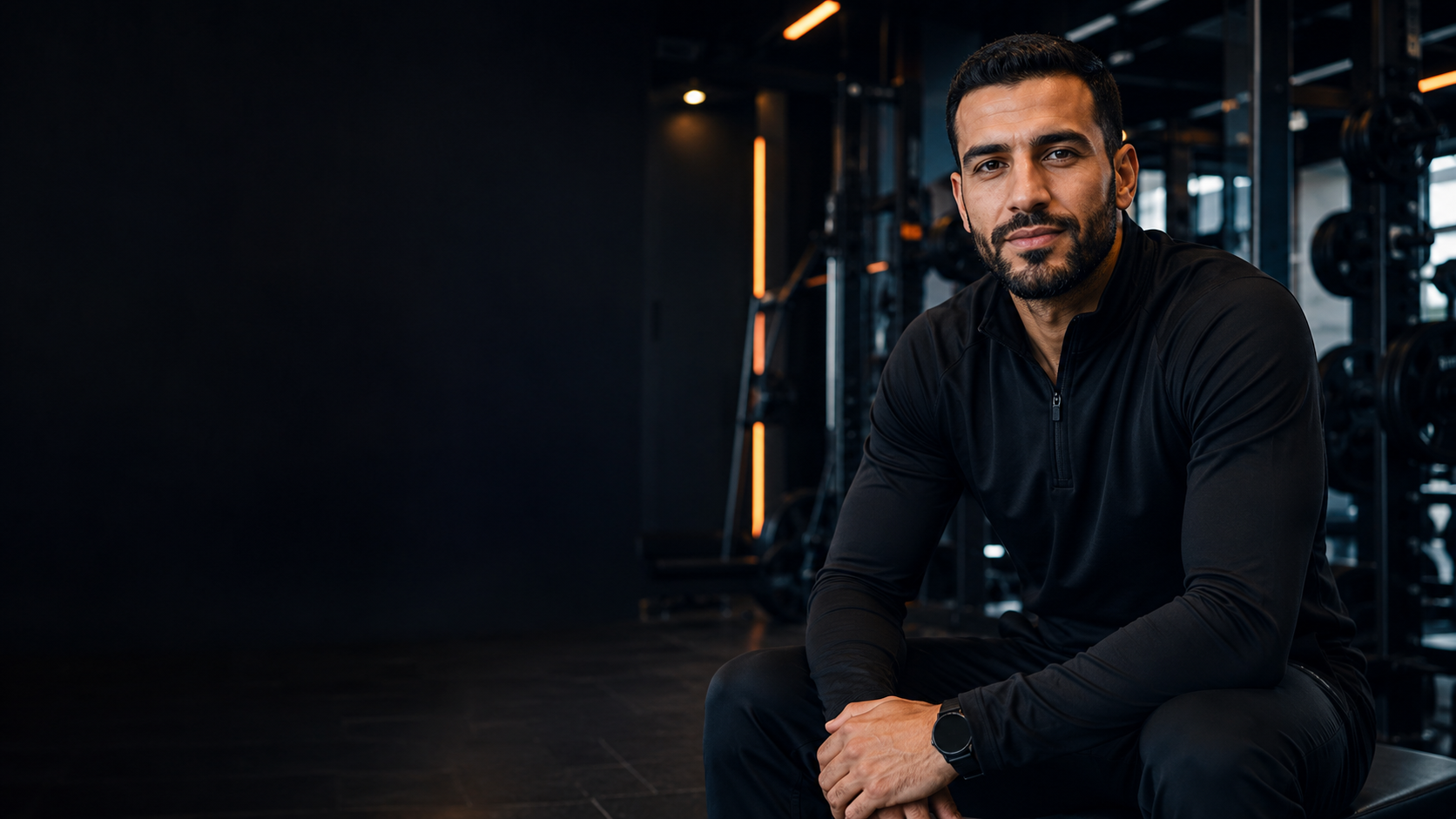
Hamza Fatil has been coaching clients in Marrakech for over 10 years, working with beginners, intermediate athletes, seniors, and people returning from injury. His approach is built on three pillars: proper assessment before programming, gradual and safe progression, and continuous communication with each client.
Hamza holds Les Mills certifications for multiple disciplines including BodyCombat, BodyPump, RPM indoor cycling, HIIT Cardio, and Aquagym. He stays current with the latest training science through regular continuing education, ensuring the methods he uses are evidence-based and effective for real-world results.
What clients consistently highlight about working with Hamza is his ability to push them to their best without ever pushing them toward injury — knowing the difference between productive challenge and damaging overload is a skill that comes only with experience and knowledge working together.